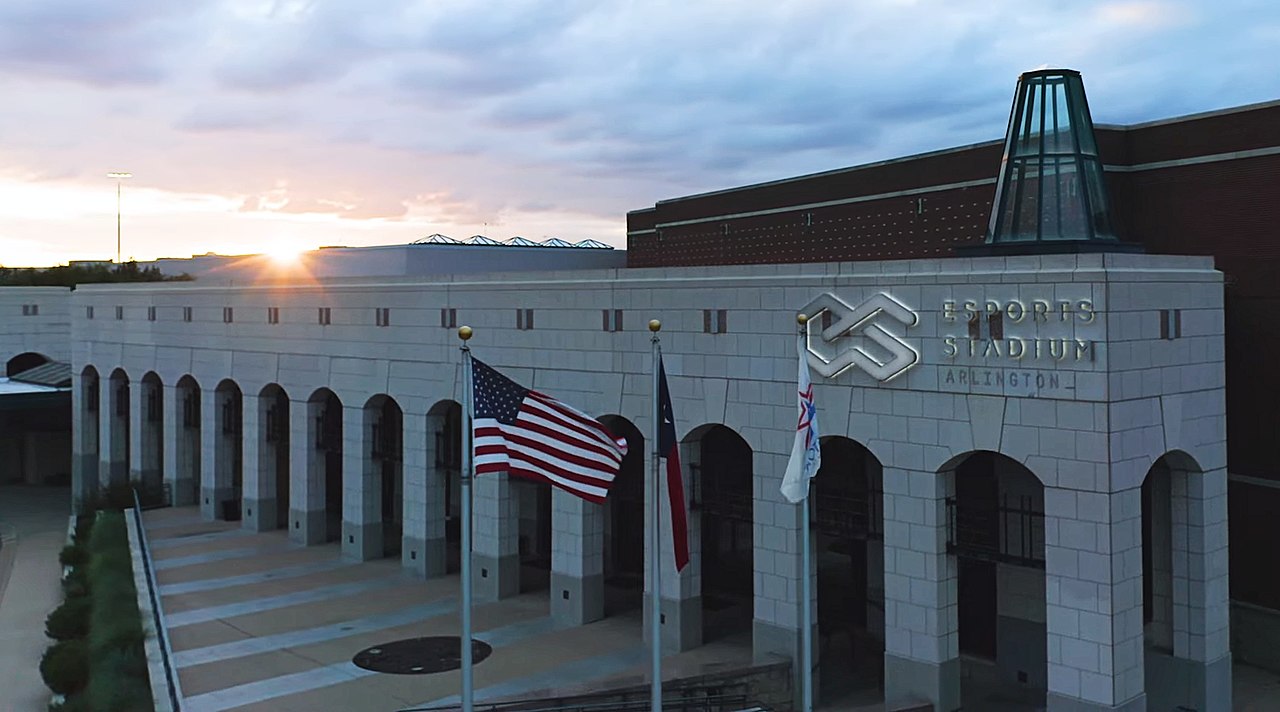
Arlington's Esports Arena: A Bellwether for the Industry's Future
In the vibrant heart of Arlington, Texas, a silent revolution has been unfolding, one that is reshaping the very fabric of live entertainment and competitive gaming. The Esports Stadium Arlington, a monumental 100,000-square-foot facility, isn't just another venue; it's a groundbreaking statement on the burgeoning esports industry. As the largest and most flexible esports-first arena of its kind in North America, this purpose-built marvel stands as a crucial bellwether for the future of esports stadium architecture globally, demonstrating what's possible when design truly caters to the unique demands of competitive gaming.
The global esports industry, with its projected billion-dollar revenues and growing mainstream appeal, is rapidly maturing. With professional sports teams increasingly investing in the space, the demand for dedicated, state-of-the-art facilities has exploded. Arlington, already home to iconic entertainment destinations, shrewdly seized this opportunity, transforming a substantial section of its convention center into a beacon for digital athleticism. This strategic move, however, required unprecedented architectural and design foresight, as few blueprints existed for a tailor-made esports venue of this scale.
Crafting the Blueprint: A New Era of Purpose-Built Design
Before Esports Stadium Arlington could open its doors in late 2018, the project team, led by designers from Populous and with a committed build partner in Shawmut Design and Construction, had to venture into uncharted territory. The scarcity of quality, purpose-built esports venues in the United States meant that traditional sports arena designs simply wouldn't suffice. The challenge was clear: create a space that could not only host high-stakes tournaments but also serve as a dedicated training ground, a media hub, and an immersive fan experience, all while meeting the hyper-specific technological requirements of competitive gaming.
The design philosophy centered on innovation and flexibility. Unlike conventional sports, esports often involves multiple players seated at computers, requiring specific sightlines for both live spectators and broadcast audiences. The architectural design had to account for massive LED screens to showcase gameplay, theatrical lighting to build drama, and sound systems capable of both immersing the crowd and clearly relaying in-game audio and commentary. The swift execution of this design-build project, completed in less than a year, is a testament to the synergistic collaboration and forward-thinking approach of all parties involved.
One of the facility's most compelling architectural achievements is its adaptive reuse. Transforming an existing convention center space not only accelerated the project timeline but also showcased a sustainable and economically savvy approach to creating large-scale esports venues. This strategy provides a valuable lesson for other cities looking to enter the esports arena market, demonstrating that purpose-built spaces don't always require ground-up construction. To delve deeper into the innovative spatial arrangements and strategic design choices, you might find Esports Stadium Arlington: A Blueprint for Next-Gen Gaming Arenas an insightful read.
Beyond the Arena: Immersive Experiences and Advanced Infrastructure
While the visual spectacle of the competition stage is undoubtedly a showstopper, the true genius of Arlington's esports stadium architecture lies in its seamless integration of high-performance technology with an unparalleled fan experience. The competition area itself boasts a massive stage flanked by an 85-foot built-in LED wall, serving as the central canvas for gameplay. Theatrical lighting and immersive sound systems elevate the atmosphere, pulling the audience into the heart of the digital battlefield. For premium spectators, a VIP hospitality section offers elevated vantage points, creating new revenue streams and catering to a diverse range of fan preferences.
However, what truly sets this venue apart are its "back-of-house" components. Unlike traditional sports where the playing field is the primary focus, esports demands an invisible yet robust technological backbone. Henderson Engineers, as part of the design-build team, played a crucial role in delivering the cutting-edge building systems design tailored to the unique and technologically advanced demands of the esports industry. From a state-of-the-art data center to a world-class production studio, every inch of the facility is engineered to support bleeding-edge tech and functional layouts. The IT infrastructure, with its microscopic margins of error and immense bandwidth requirements for streaming broadcasts, represents the nervous system of the entire operation. These are the elements that ensure competitive integrity, seamless broadcasting, and an uninterrupted experience for both players and viewers worldwide.
Understanding the intricacies of this technological foundation is key to appreciating the future of gaming venues. For a closer look at the advanced systems powering these events, check out Inside Esports Stadium Arlington: Design & Tech Powering Live Gaming.
Strategic Vision: Flexibility, Revenue, and Future-Proofing
The design of Esports Stadium Arlington transcends mere aesthetics; it's a masterclass in strategic planning that prioritizes flexibility, diverse revenue generation, and long-term sustainability. The 100,000-square-foot footprint isn't just large; it's designed to be incredibly flexible, capable of adapting to a wide variety of esports titles, event types, and audience sizes. This adaptability is critical in an industry where game popularity can shift rapidly, and different genres (like first-person shooters, MOBAs, or fighting games) have distinct spatial and technical requirements.
Beyond the main competition space, the venue integrates a host of amenities designed to enhance the overall experience and open new revenue streams. These include a dedicated retail store for merchandise, a gamer gallery celebrating esports culture, and specialized team training and lounge spaces that cater to the needs of professional players. These architectural inclusions are not incidental; they are integral to creating a holistic ecosystem that supports players, fans, and the broader esports community, contributing significantly to the venue's commercial viability.
From a commercial perspective, the architectural choices directly influence the stadium's ability to host lucrative events. The inaugural tournament, for example, boasted a $750,000 prize pool and became the most-watched of its kind in YouTube history. This success underscored the immense appetite for live esports and validated the investment in purpose-built venues. The Populous-designed identity system, integrated throughout the facility, also establishes a strong brand presence, helping to solidify the stadium's position as a premier destination in the global esports landscape.
The Arlington Legacy: A Bellwether for Global Trends
The Esports Stadium Arlington is more than just a venue; it's a living laboratory for the evolving field of esports stadium architecture. Its success story offers invaluable lessons for developers, architects, and city planners worldwide. By daring to build without extensive precedent, Arlington has established a compelling blueprint for what a dedicated esports arena can and should be.
The key takeaways from the Arlington model highlight the absolute necessity of:
- Purpose-Built Design: Moving beyond adapting traditional venues to create spaces specifically tailored for competitive gaming's unique visual and technical demands.
- Robust IT Infrastructure: Prioritizing high-bandwidth networks, data centers, and advanced production capabilities from the earliest design stages.
- Player and Fan Experience: Balancing an immersive atmosphere for spectators with optimal conditions and facilities for professional players.
- Flexibility and Adaptability: Designing modular spaces that can accommodate various game titles, event formats, and audience sizes.
- Strategic Revenue Generation: Integrating retail, VIP experiences, and training facilities to ensure long-term commercial viability.
- Adaptive Reuse Potential: Demonstrating that existing structures can be brilliantly transformed to meet new demands, offering sustainable and cost-effective solutions.
As the esports industry continues its meteoric rise, the lessons learned from Arlington will undoubtedly shape future developments. Its pioneering spirit has not only delivered a world-class facility but has also provided a tangible, successful model for the next generation of gaming arenas. It stands as a powerful testament to the vision, collaboration, and innovation required to build the future of live esports entertainment.