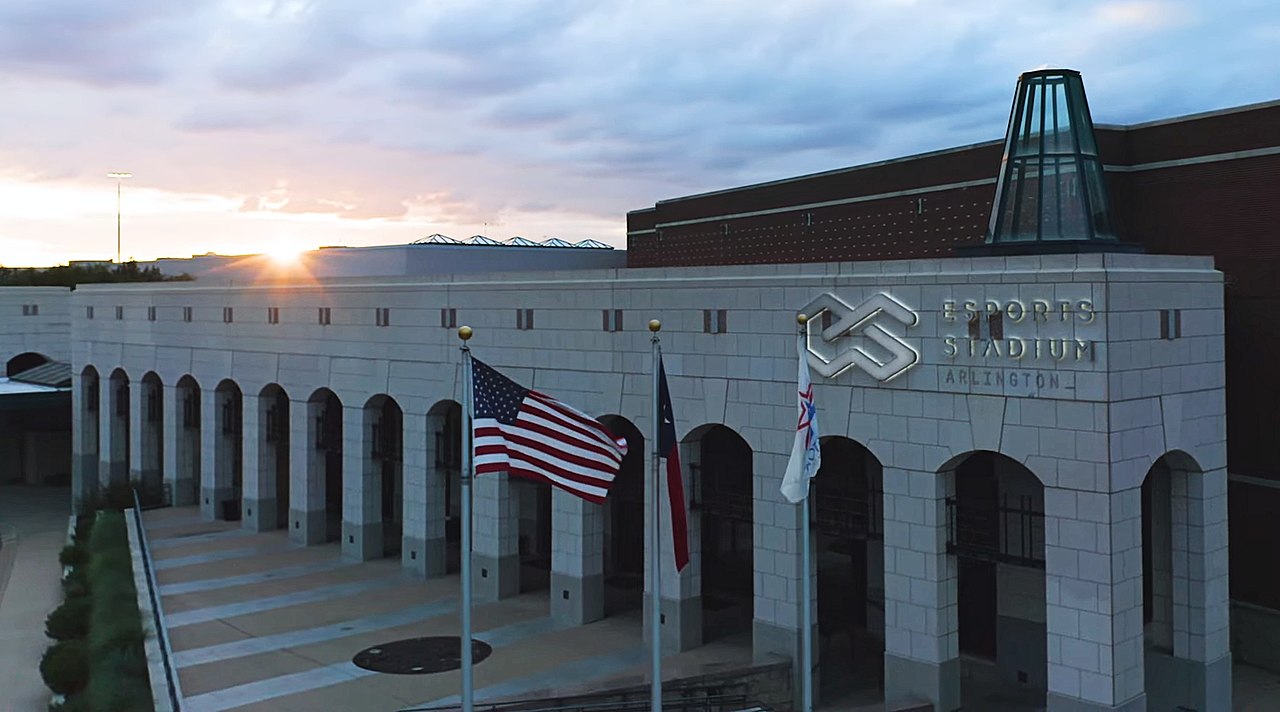
Esports Stadium Arlington: A Blueprint for Next-Gen Gaming Arenas
The meteoric rise of competitive gaming, or esports, has transformed a niche pastime into a global phenomenon. As viewership figures soar and prize pools reach unprecedented heights, the demand for dedicated, purpose-built venues has become increasingly critical. Enter Esports Stadium Arlington – a facility that didn't just meet this demand but pioneered a new era in
esports stadium architecture, setting a definitive benchmark for gaming arenas worldwide. More than just a competition space, it's a testament to architectural ingenuity, technological foresight, and a deep understanding of the unique culture it serves.
Pioneering the Future of Esports Stadium Architecture
Before Esports Stadium Arlington, the landscape of dedicated esports venues in North America was largely uncharted territory. While ad-hoc solutions in convention centers or repurposed theaters often sufficed for smaller tournaments, the industry yearned for a true home – a facility designed from the ground up with the specific needs of professional esports in mind. This void presented both a significant challenge and an unparalleled opportunity for the project team, led by renowned architects Populous.
Their mission was clear: create a foundational blueprint for
esports stadium architecture. This wasn't about simply adapting traditional sports stadium design; it required an "esports-first" approach. Unlike conventional sports, esports venues require microscopic margins of error in their IT infrastructure, ultra-low latency for gameplay, and robust broadcasting capabilities to support massive online viewership alongside the live audience. The designers had to envision spaces that could immerse both the competitor and the fan, integrating cutting-edge technology without compromising atmosphere or flexibility. The resulting 100,000-square-foot facility, with its 2,500-seat capacity, became the largest and most flexible of its kind in the country, a true bellwether for the live esports event market.
Beyond the Hype: Core Design Elements and Technological Mastery
What truly distinguishes Esports Stadium Arlington is its comprehensive approach to facility design, seamlessly blending a captivating public experience with a sophisticated technological backbone. The heart of the stadium is its main competition area, a spectacle designed to elevate gameplay into an art form. Here, a colossal 85-foot built-in LED wall commands attention, providing dynamic visuals that complement the live action. This visual prowess is matched by a theatrical lighting and immersive sound system that pulls the audience directly into the game, creating an unparalleled sensory experience.
Beyond the main stage, the venue boasts a suite of amenities that cater to every facet of the esports ecosystem:
- Gamer Gallery: A space for fans to connect with the culture and history of gaming.
- Retail Store: Offering exclusive merchandise and gear, tapping into vital revenue streams.
- Team Training and Lounge Spaces: Crucial for professional teams, providing dedicated areas for practice, strategy, and relaxation.
- VIP Hospitality Section: Offering elevated vantage points and premium services, catering to an upscale audience and generating additional income.
However, the true marvel of modern
esports stadium architecture lies in its back-of-house operations. The facility's IT infrastructure is second to none, featuring a robust data center and a world-class production studio. This bleeding-edge technology ensures seamless, low-latency gameplay and high-quality streaming broadcasts, which are paramount for an industry where online viewership often dwarfs live attendance. Every cable, server, and network component is meticulously planned to support the incredible bandwidth demands and intricate technical requirements of competitive gaming. For a deeper dive into these technical marvels, explore
Inside Esports Stadium Arlington: Design & Tech Powering Live Gaming.
The Adaptive Advantage and Rapid Development Blueprint
A remarkable aspect of Esports Stadium Arlington's genesis was its accelerated timeline and innovative construction approach. Conceived as a design-build project, the entire facility – from initial concept to grand opening – was completed in less than a year. This feat was achieved through the collaborative efforts of Populous, Shawmut Design and Construction, and Henderson Engineers, showcasing a powerful synergy that delivered a state-of-the-art venue with unprecedented speed.
Furthermore, the stadium stands as a prime example of adaptive reuse potential. Arlington strategically transformed a significant section of its convention center, breathing new life into an existing structure rather than embarking on entirely new construction. This not only accelerated the project but also offered a cost-effective model that future cities and developers could emulate. The ability to convert underutilized spaces into cutting-edge esports arenas provides a practical and sustainable template for expanding the live esports footprint globally. This adaptability is a key consideration in forward-thinking
esports stadium architecture, demonstrating how existing urban infrastructure can be leveraged to support a growing industry.
Economic Catalyst and Community Anchor
Arlington, Texas, already a hub for iconic entertainment destinations like Six Flags and AT&T Stadium, was uniquely positioned to embrace the esports revolution. The city's $10-million investment in Esports Stadium Arlington was not just about building a venue; it was a strategic move to establish itself as a global leader in the rapidly expanding esports market. With global revenues projected to reach $1 billion, and professional sports teams increasingly investing in the space, dedicated esports facilities are becoming vital economic drivers.
The stadium proved its worth almost immediately. Its inaugural event, featuring a $750,000 prize pool, became the most-watched tournament of its kind in YouTube history, signaling a massive appetite for live esports content. This success translates into tangible economic benefits for Arlington, from drawing international talent and fans to boosting local tourism, hospitality, and retail sectors. The venue's ability to host major tournaments creates new revenue streams, attracting sponsorships, media rights, and event expenditures that ripple through the local economy. Arlington's foresighted embrace of esports provides a compelling case study for other cities looking to capitalize on this dynamic industry. To understand its broader implications, delve into
Arlington's Esports Arena: A Bellwether for the Industry's Future.
Conclusion
Esports Stadium Arlington is more than just a building; it's a living blueprint for the future of competitive gaming. It demonstrated that purpose-built esports venues are not only viable but essential for the continued growth and legitimization of the industry. Through its innovative design, cutting-edge technology, rapid development, and significant economic impact, it has laid down a definitive marker for what modern
esports stadium architecture should aspire to be. As esports continues its ascent, facilities like Arlington will serve as the crucial anchors, providing the stages, the technology, and the immersive experiences necessary for this digital spectacle to truly flourish in the live arena.